The Mamanucas are among the easiest tropical islands in the world to visit: English is spoken everywhere, the boats are frequent and the welcome is genuine. A little background on how Fiji works — its money, its manners and its sea — makes the trip smoother still.
The islands at a glance
The group is an arc of about twenty islands on the western side of Viti Levu, inside and along a long barrier reef. A few are large and volcanic, with villages whose people own the land the resorts lease; most are small coral cays. Administratively they belong to Fiji’s Western Division, and the land is owned by Fijian village communities. There are no towns, banks or roads to speak of — life runs on boats.
Essentials
| Topic | What to know |
|---|---|
| Currency | Fijian dollar (FJD). Resorts and cruise operators take cards; villages and small lodges prefer cash |
| Cash | ATMs at Nadi Airport, in Nadi and at Port Denarau — none on the islands |
| Language | English, Fijian (iTaukei) and Fiji Hindi. “Bula” is hello; “vinaka” is thank you |
| Time zone | UTC+12; check whether daylight saving applies in your year |
| Electricity | 240 V, three-pin angled plugs as used in Australia and New Zealand |
| Water | Resorts supply drinking water; on small islands fresh water is precious — use it sparingly |
| Phone & internet | Vodafone and Digicel SIMs at the airport; coverage is fair on the inner islands, patchy further out. Resort Wi-Fi varies |
| Visas | Many nationalities receive a visitor permit on arrival — check the rules for your passport before you fly |
 Malolo group & the surf reefs
 Malolo Island
The biggest island, from villages to overwater bures
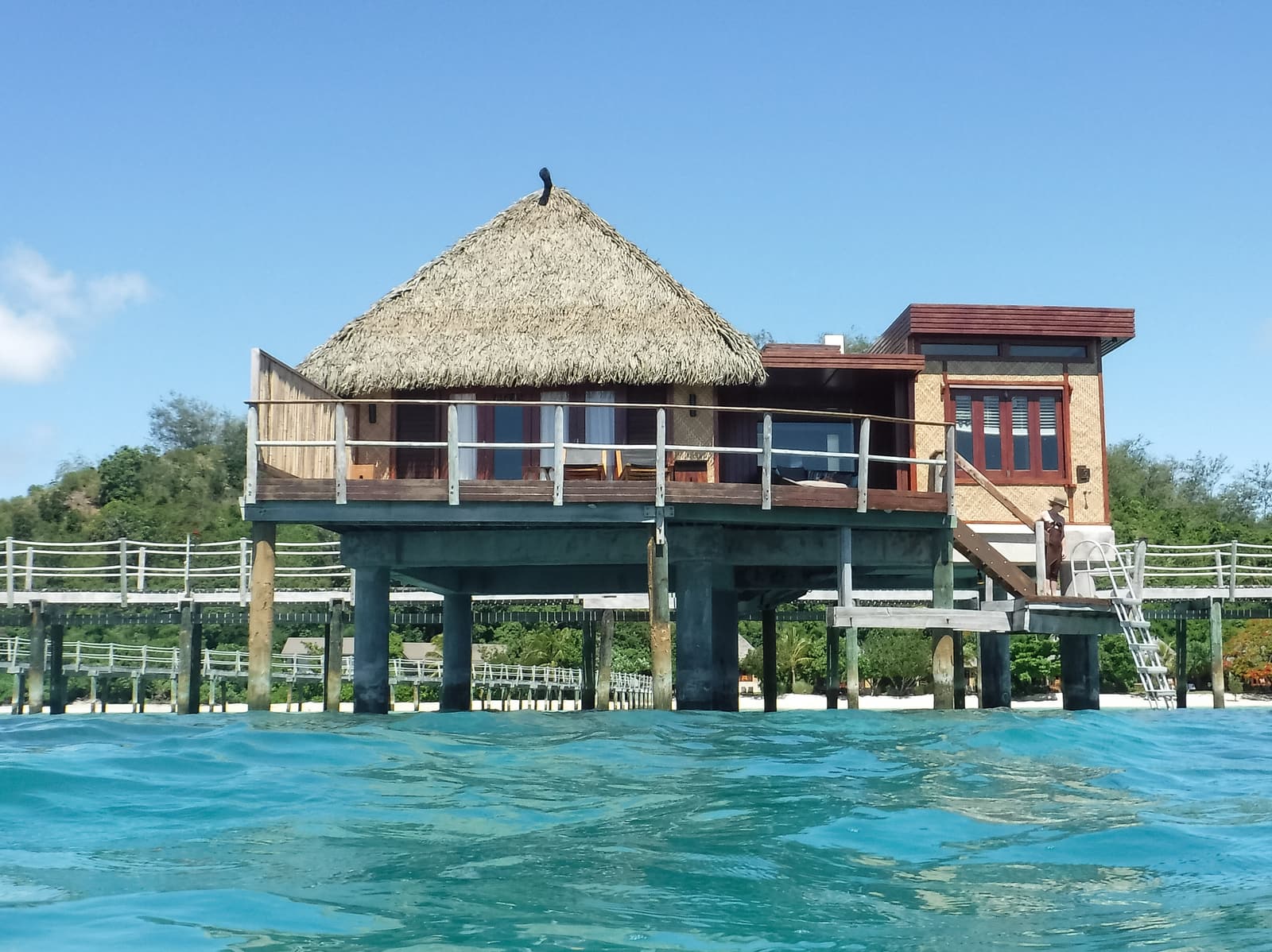
The largest of the Mamanucas and the group’s traditional centre, with two Fijian villages, green hills to walk and a run of resorts that covers every style — the family-friendly Malolo Island Resort, adults-only Likuliku Lagoon and Tropica, Six Senses Fiji and a surfers’ lodge on the south coast.
 Malolo group & the surf reefs
 Malolo Lailai
Plantation Island, Musket Cove and a yacht marina
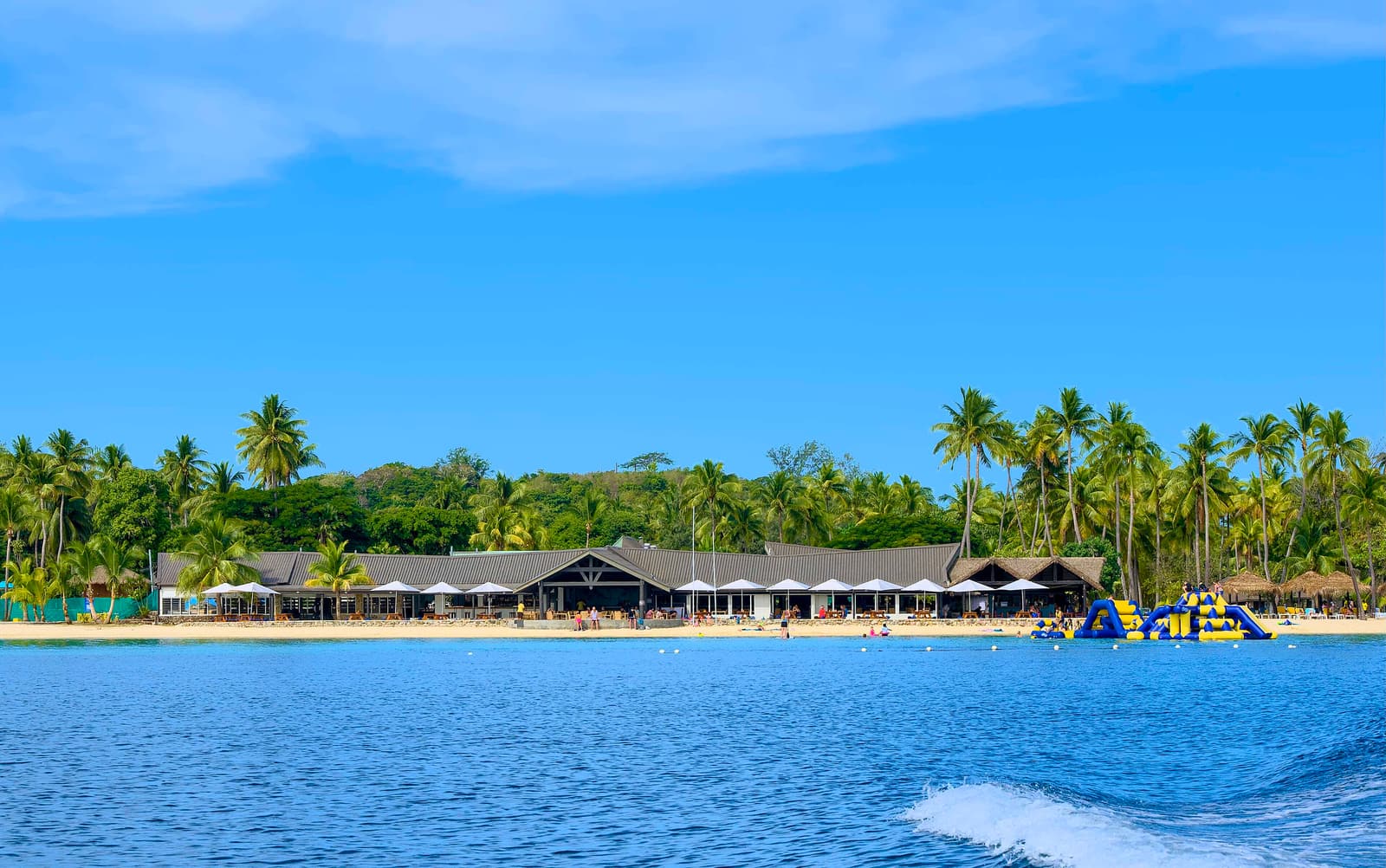
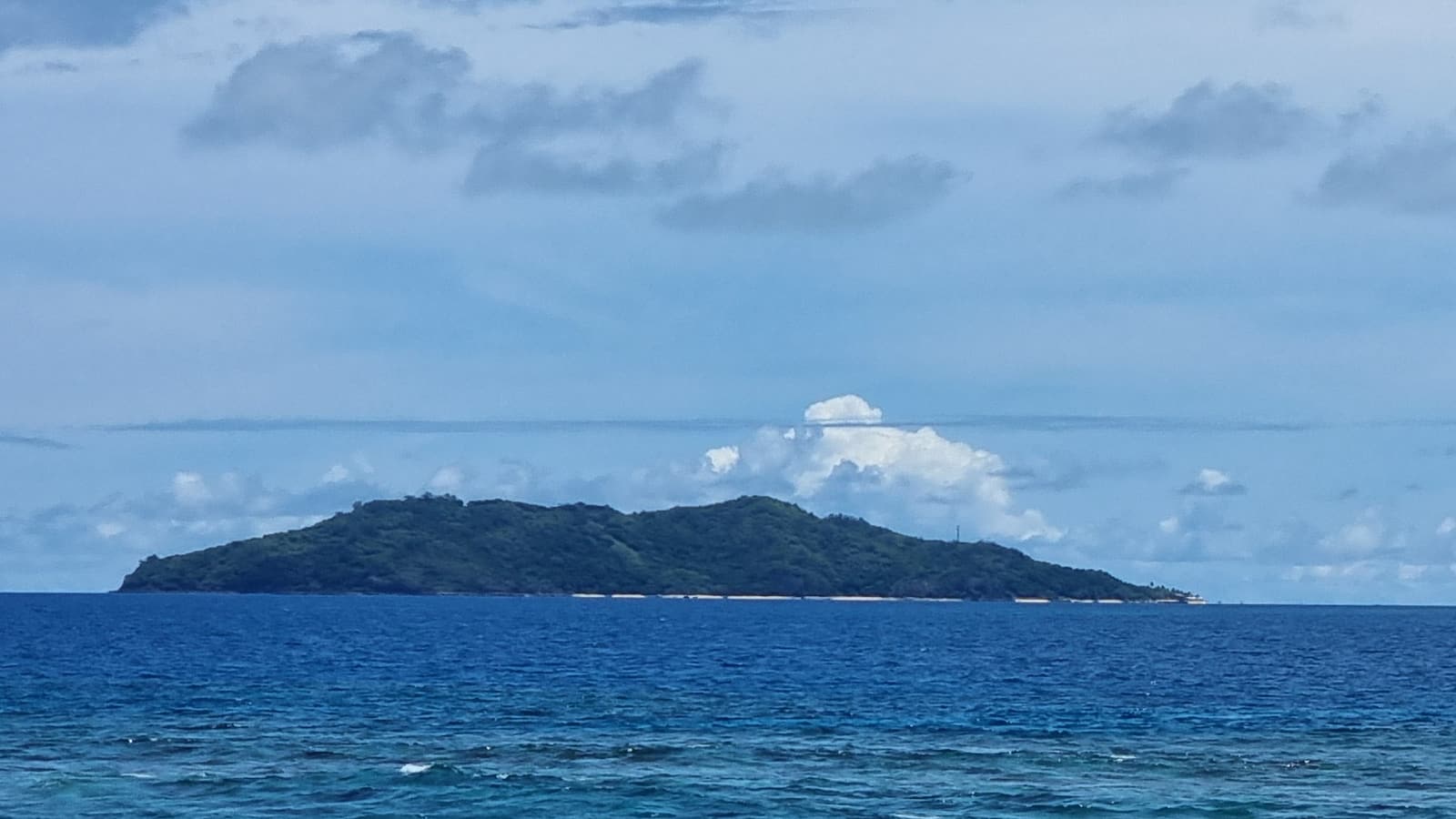
“Little Malolo” is the easiest island in Fiji for families: the big, lively Plantation Island Resort, the yachtie favourite Musket Cove with its marina, and adults-only Lomani share one long lagoon beach — with their own ferry, the Malolo Cat, and even an airstrip.
 Malolo group & the surf reefs
 Castaway Island (Qalito)
A classic family resort on its own island
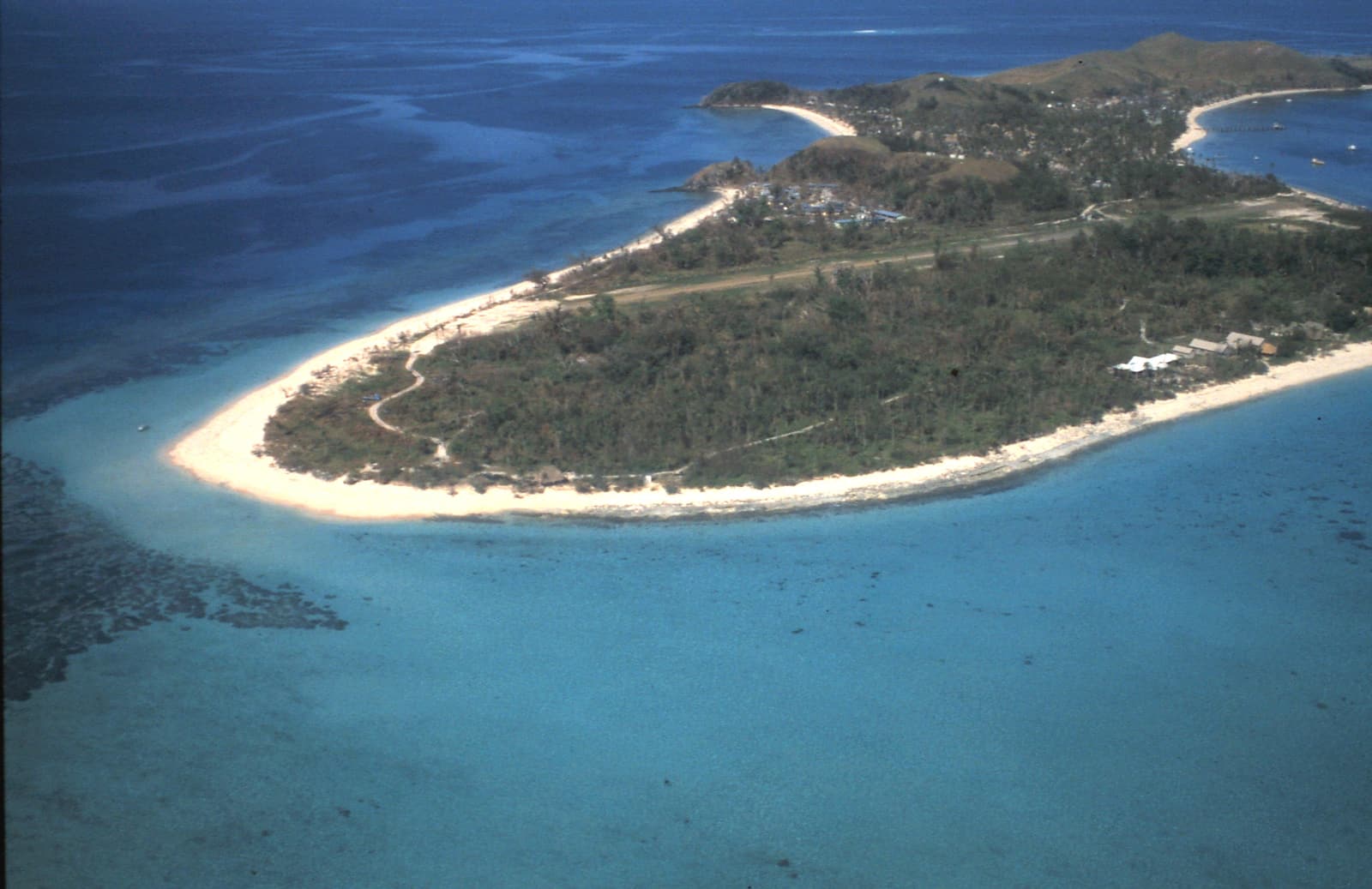
Qalito is a forested island wrapped in white sand just west of Malolo, and Castaway Island is its only resort — thatched bures, a strong kids’ club and a house reef you can snorkel from the beach. One of the best-loved family islands in Fiji, and a popular day trip.
 Outer islands
 Mana Island
Long beaches, a sandspit and something for every budget
One of the larger islands, with beaches on both the north and south shores, a famous sandspit and a wide lagoon. Mana is unusual in having a big resort, a small adults-only retreat and village-run backpacker lodges side by side — plus the dive site known as the Supermarket.
Money and tipping
Fiji is not a tipping culture, and no one will expect a tip for ordinary service. Most resorts keep a staff Christmas fund box at reception: a contribution at the end of your stay is shared among all the staff, including those you never see, and is the customary way to say thank you. On day cruises a tip for an outstanding crew is appreciated but entirely optional.
Budget realistically for the islands themselves. With no shops or independent restaurants, you eat and drink at resort prices; compulsory or optional meal plans are common and worth comparing before you book. Government taxes are normally included in quoted prices, but check.
Fiji time
“Fiji time” is the cheerful local admission that things happen when they happen. Ferries and flights do run to schedule; lunch, a village visit or a boat to the sandbank may not. Build slack into connection days and let the rest go — it is half the reason for coming.
Village visits, sevusevu and kava
Visiting a Fijian village is a privilege granted by its people, not a tourist attraction, and a few courtesies matter a great deal.
- Go with a guide or an invitation. Resorts and cruises arrange visits; do not wander into a village uninvited.
- Dress modestly. Cover shoulders and knees. A sulu (sarong) wrapped over shorts or a swimsuit is ideal for men and women alike.
- No hats or sunglasses. Take them off in the village — wearing a hat is traditionally a mark of the chief — and do not carry bags on your shoulder.
- Shoes off before entering a house or community hall, and sit cross-legged rather than pointing your feet at anyone.
- Never touch anyone’s head, including children’s.
- Ask before photographing people, and during ceremonies wait until you are told it is fine.
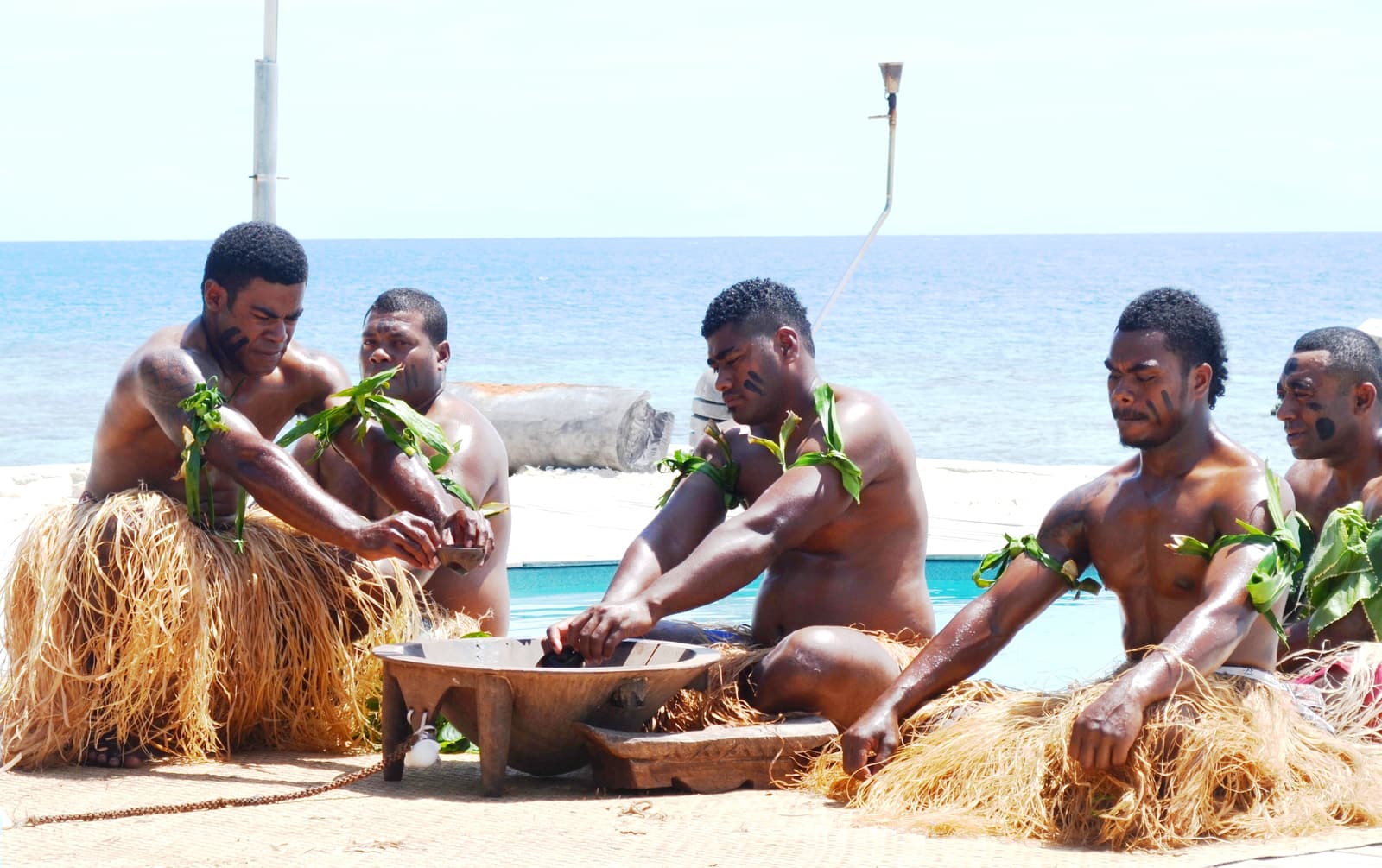
The formal welcome is the sevusevu: the visitors present a bundle of yaqona (kava root) to the chief or his spokesman, who accepts it on behalf of the village. Your guide normally brings the yaqona and speaks for the group. The root is then pounded, mixed with water in a wooden tanoa bowl and served in a half coconut shell.
When the cup comes to you: clap once with cupped hands, say “bula”, drink it in one go, hand the cup back and clap three times. You can ask for “low tide” (a small serving) or “high tide” (a full one). Kava tastes earthy, numbs the lips slightly and is mildly relaxing rather than intoxicating. It is polite to accept at least the first cup; after that a smiling “vinaka” is a perfectly acceptable refusal.
Sunday is a day of church and rest in the villages. Visitors are welcome at services — the singing is extraordinary — but activities are quiet and some boats do not run.
Snorkelling and diving
Coral grows close to shore on most islands, and almost every resort and day cruise lends masks and fins. Water is warmest from December to April and clearest from May to October, when visibility often exceeds 20 to 30 metres on the outer reef.
- The Supermarket, near Mana: the signature shark dive of the group.
- Gotham City: bommies in the lagoon named for their batfish.
- The Salamanda: a small wreck near Treasure Island, suitable for novices.
- Plantation Pinnacles and Namotu Wall: deeper structure on the Malolo Barrier Reef.
- Bird Rock and other outer-island sites: drop-offs and swim-throughs with clear water.
Dive centres at the resorts run introductory dives and full courses. Shark and fish feeding is practised by some operators and avoided by others; ask before you book if it matters to you. The nearest recompression facility is on the mainland, so dive conservatively and leave 18–24 hours before flying.
Protecting the reef
- Use reef-safe sunscreen (mineral, non-nano zinc or titanium) and put it on 20 minutes before swimming — or wear a rash vest and use less.
- Never stand on or touch coral, and keep fins off the bottom.
- Do not buy shells, coral or turtle-shell souvenirs.
- Many reefs are tabu — closed to fishing by the villages that own them. Respect the markers.
Surfing
The breaks off Tavarua and Namotu are reef breaks reached only by boat. Cloudbreak and Restaurants are for advanced surfers; Wilkes and Namotu Lefts for solid intermediates and above; Swimming Pools is the mellowest. Swell is most consistent from about April to October. Boats leave from the surf resorts, from Malolo and Malolo Lailai, and from the mainland coast south of Nadi.
Sandbank picnics and other small pleasures
At lower tides, sandbanks surface in the open lagoon, and resorts will drop you on one with an umbrella, a cool box and a radio — an hour or two of having the Pacific to yourself. Other things worth doing once: a sunrise walk up the nearest hill, a Sunday church service, a lovo feast cooked in an earth oven, and a meke evening of song and dance.
What to pack
- Light clothes, two swimsuits, a sulu or sarong and something with sleeves for village visits.
- Reef shoes — useful at low tide and on coral rubble.
- Reef-safe sunscreen, a hat, polarised sunglasses and a long-sleeved rash vest.
- Insect repellent for dusk.
- A dry bag, any prescription medicines and seasickness tablets.
- A soft bag rather than a hard suitcase if you are flying to an island.
Health and safety
The Mamanucas are very safe. The real hazards are natural: strong sun, dehydration, coral cuts (clean them thoroughly — they infect easily) and currents in reef passes. Swim where the resort advises and never alone at night. Mosquitoes can carry dengue in the wet season, so use repellent. Resorts have first-aid staff, but hospitals are on the mainland at Nadi and Lautoka; carry travel insurance that covers medical evacuation.
Sample itineraries
One day: a full-day cruise to Monuriki and the sandbank, or South Sea Island if you want less boat and more beach.
Three days: ferry to Malolo Lailai or Malolo; one day on the lagoon, one snorkelling trip to the outer reef with an afternoon at a floating bar, one village visit and hill walk.
A week: three nights in the Malolo group, then ferry on to Mana, Matamanoa or Tokoriki for four quieter nights with a half-day trip to Monuriki. Add a first or last night on Denarau to protect your flights.
Two weeks: five nights in the Yasawas, a week across two Mamanuca islands, and a day inland from Nadi.